One result.Everything attached.
You're going to check our claims. So here is the record itself, what sits underneath each part of it, what happens when it turns out to be wrong, and the lab running it first.
Aggregate formation fell 41% at 10 µM, across three plates run together.
Aggregate formation fell 34% at 10 µM, across three plates run together.
- Why
- Blank subtraction applied to the wrong column
- The file
- Unchanged. It was never the thing that was wrong
“When someone asks how we got a number, we can answer it the same day.”
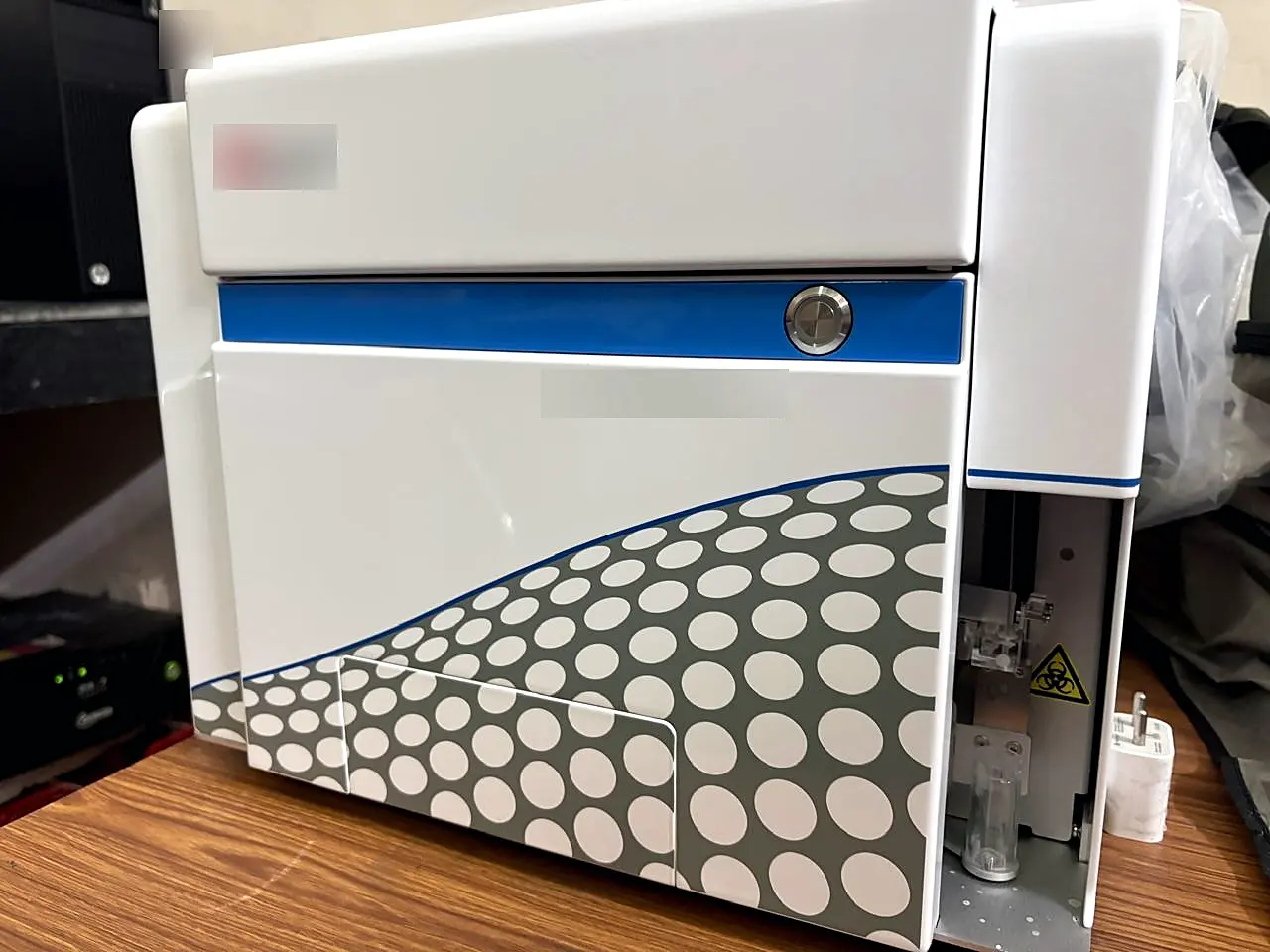
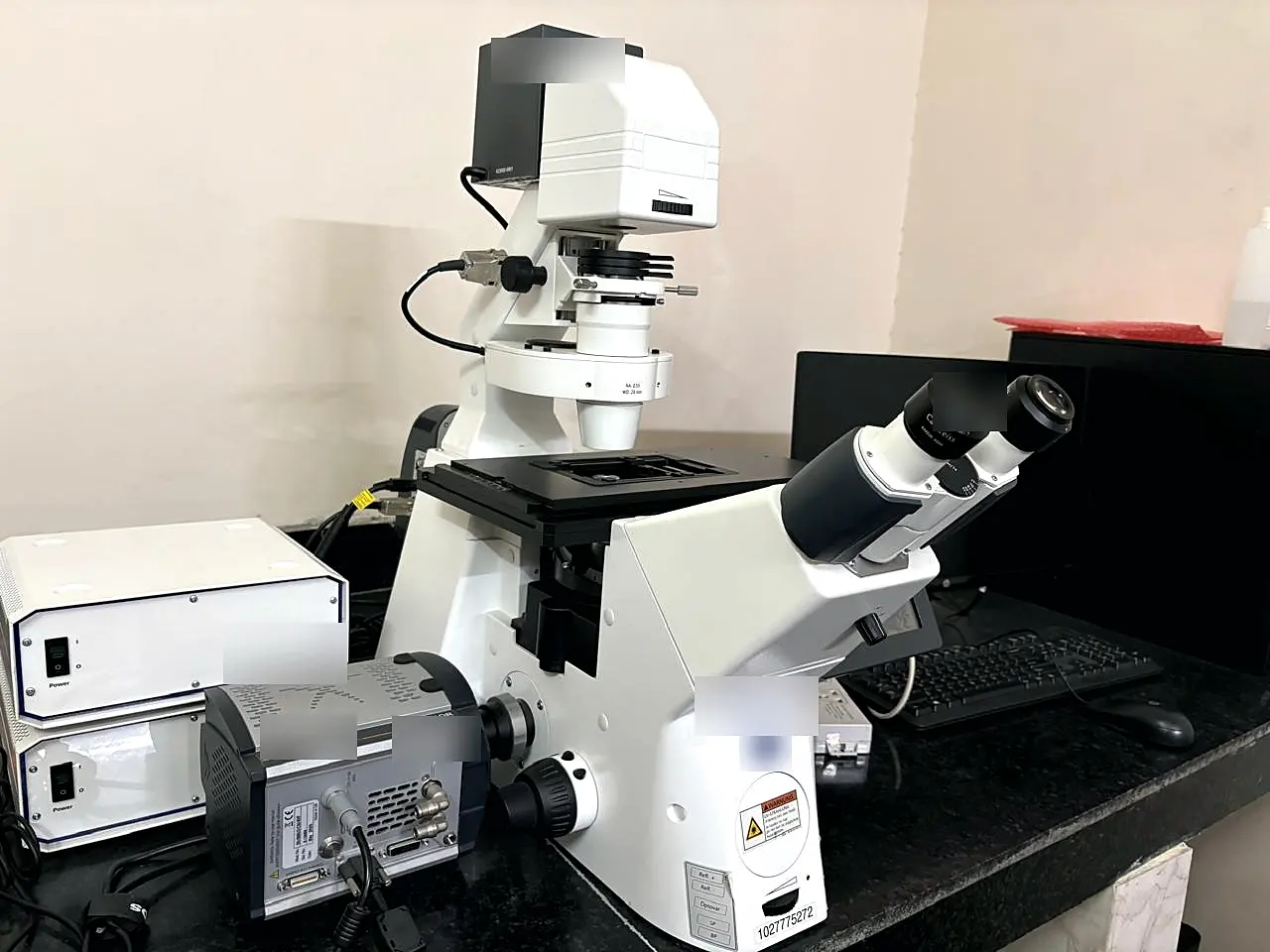
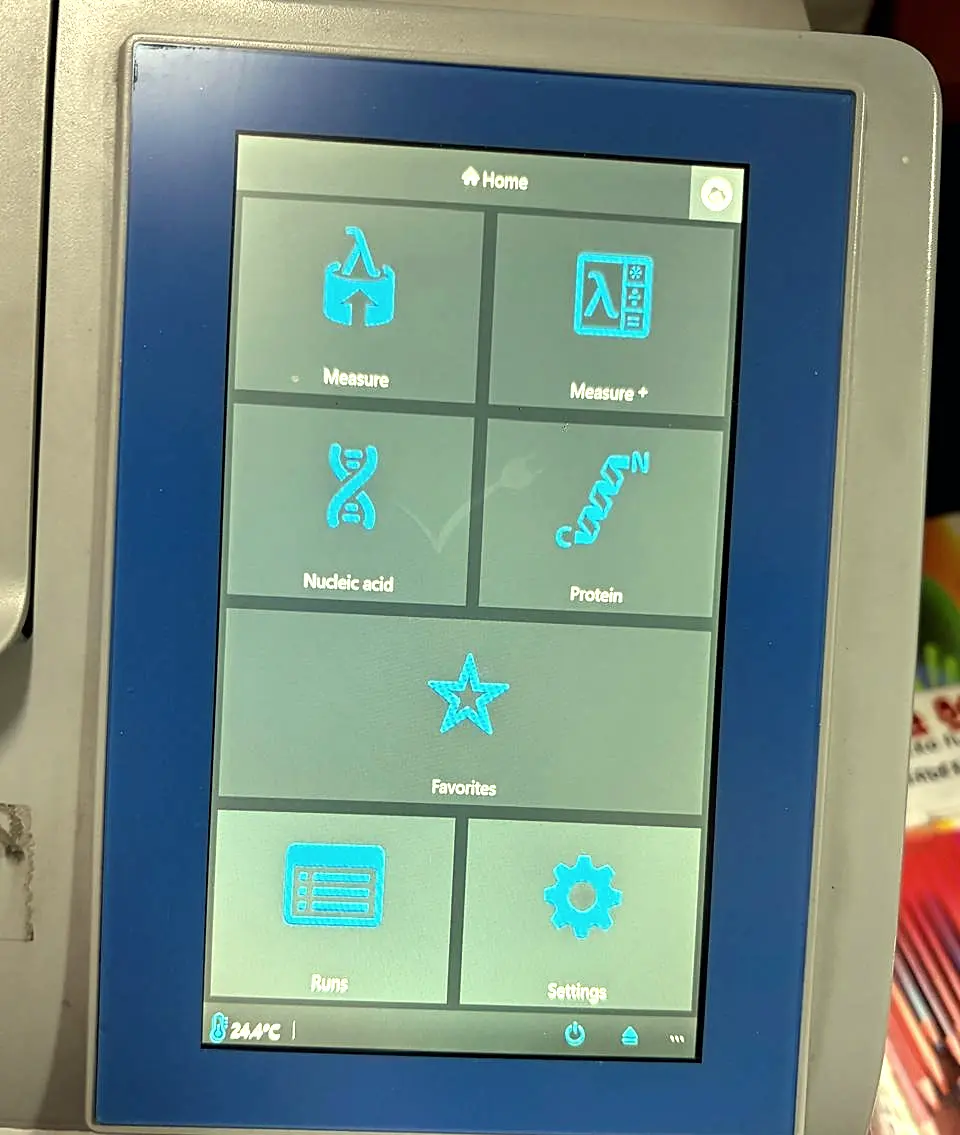
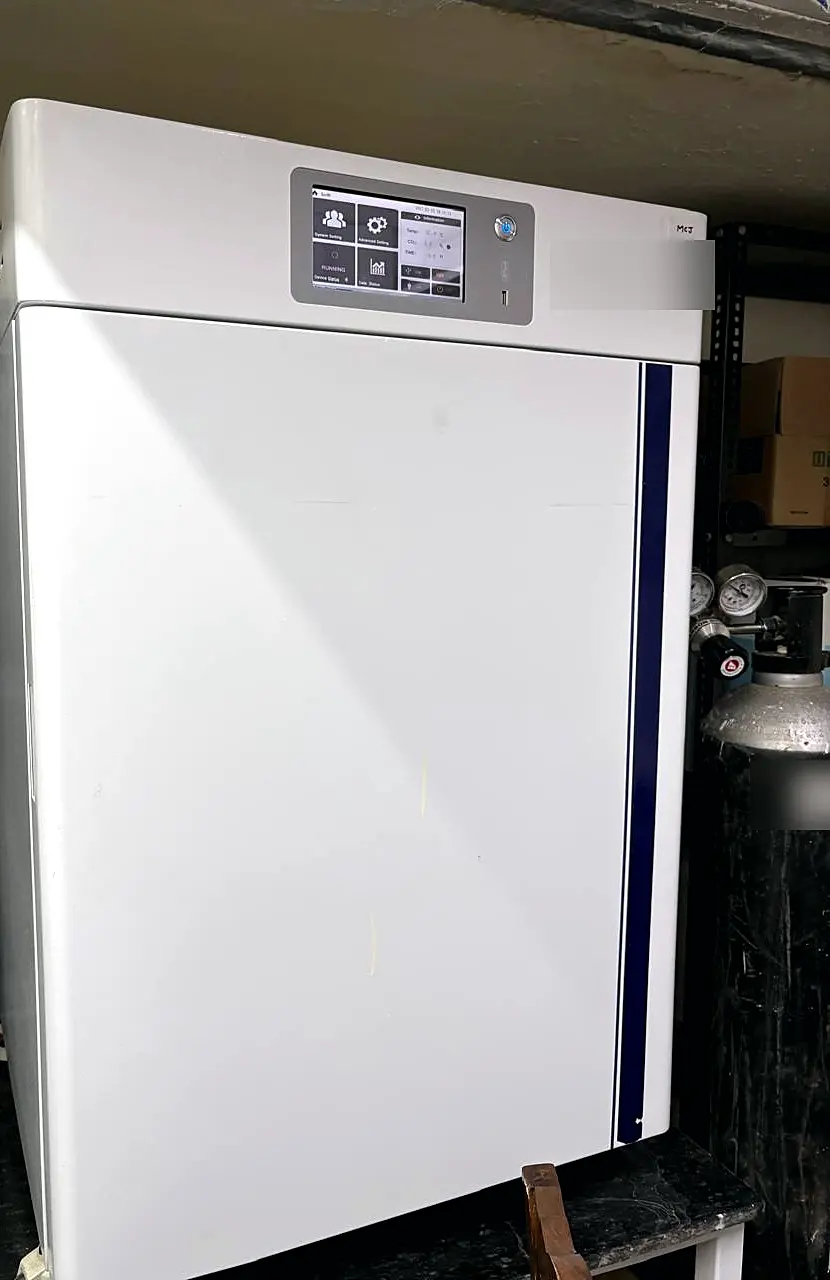
Three months in, Dr. Mohan C. Joshi's lab answers that question without going back through anyone's memory. The lab runs a real-time PCR system, a flow cytometer, a fluorescence microscope, a gel and blot imager, a spectrophotometer, incubators, an ultra-low freezer and biosafety cabinets. Every photograph on this site was taken on its benches, unstaged.
Dr. Mohan C. JoshiLab head, JoshiTxDx Lab
Start at the sentence a paper would carry.
This is what woodle holds for every result.
Aggregate formation fell 41% at 10 µM, across three plates run together.
- Who ran it
- Your student, three years ago
- When
- 14 March 2023, 10:42
- On what
- The spectrophotometer in room 214
- Signed off by
- You, on 2 April 2023
- Written by
- The instrument, unedited since
- Checked
- Same checksum as the day it landed
What each layer is for
- The claim
- A sentence somebody was willing to put their name to. The only part that ends up in a paper, and on its own it's unfalsifiable, which is why the rest exists.
- The run
- Who, when, on which instrument, under which protocol version. The row that usually lives in somebody's memory, and memory is what leaves when they do.
- The file
- What the instrument wrote, byte for byte, where it already lives. The original, not a copy pasted into a notebook.
- The signature
- A person deciding this is ready to leave the lab. The assistant can draft the sentence; it cannot do this, on any plan.
Eleven months later, it turns out to be wrong.
Somebody notices the blank correction was applied to the wrong column. In most systems this is where the record stops being trustworthy, because the fix overwrites the thing being fixed.
Aggregate formation fell 34% at 10 µM, across three plates run together.
- Corrected by
- Your postdoc, 9 February 2024
- Why
- Blank subtraction applied to the wrong column
- The earlier figure
- 41% still here, not deleted
- The file underneath
- Unchanged. It was never the thing that was wrong
Corrections add. They never overwrite.
Both numbers are in the record, in order, with the reason between them. A record that can be silently edited can't demonstrate it wasn't, and when the question comes, a clean number with no history is indistinguishable from one somebody tidied up.
Three years on, the question arrives
- Open the claim. Search the sentence or the figure it sits under. No need to remember the study, the date or who ran it.
- Follow it down. Run, then file, both with their history. The correction is visible, which answers the next question before it's asked.
- Send what they asked for. The original instrument file, with its run. Not a screenshot, not a retyped table.
What this replaces: two weeks going through drives, and an email to someone who left. If that has already happened →
We checked our claims before you did.
Each of these appears on some competitor's site. We've left them off, and here's why.
"Saves nine hours per scientist per week"
"Makes your research reproducible"
"Researchers waste 2.5 hours a day looking for data"
"Your lab will be paperless in a week"
"Trusted by leading institutions worldwide"
The standing offer
Every claim on this site about what woodle does today is either something you can check in the product, or a number with a citation. If you find one that isn't, tell us and we'll take it down. Where we describe something still being built, we say so, with its stage.
That's the shape. The rest is your lab's.
If it's the shape you've been trying to keep by hand, that's the conversation worth having.